

For those seeking peace, prosperity, and purpose beyond the confines of today’s rat race, there lies a forgotten foundation of law and life: the Law of Equity. Often obscured from public education and mainstream discourse, equity is not just a principle of fairness—it is a sacred jurisdiction that once governed spiritual, financial, and societal well-being across civilizations, including those long buried or erased, like Tartaria.
Equity, Trust Law, and Common Law: A Sacred Trinity
Before the rise of the commercial matrix we now loop within, the world was governed by a triadic legal structure:
- Common Law was the law of the land—rooted in precedent, customs, and private property rights.
- Trust Law was the structure of stewardship—allowing a grantor to assign property to a trustee for the benefit of another.
- Equity was the law of conscience—stepping in where common law was too rigid or could not offer true remedy.
This trio was not merely technical—it reflected a way of life that respected moral order, personal sovereignty, and the sacredness of relationship. And perhaps nowhere was this more visible than in the architecture, harmony, and decentralized governance of Tartaria.
Tartaria: The Forgotten Civilization of Natural Law
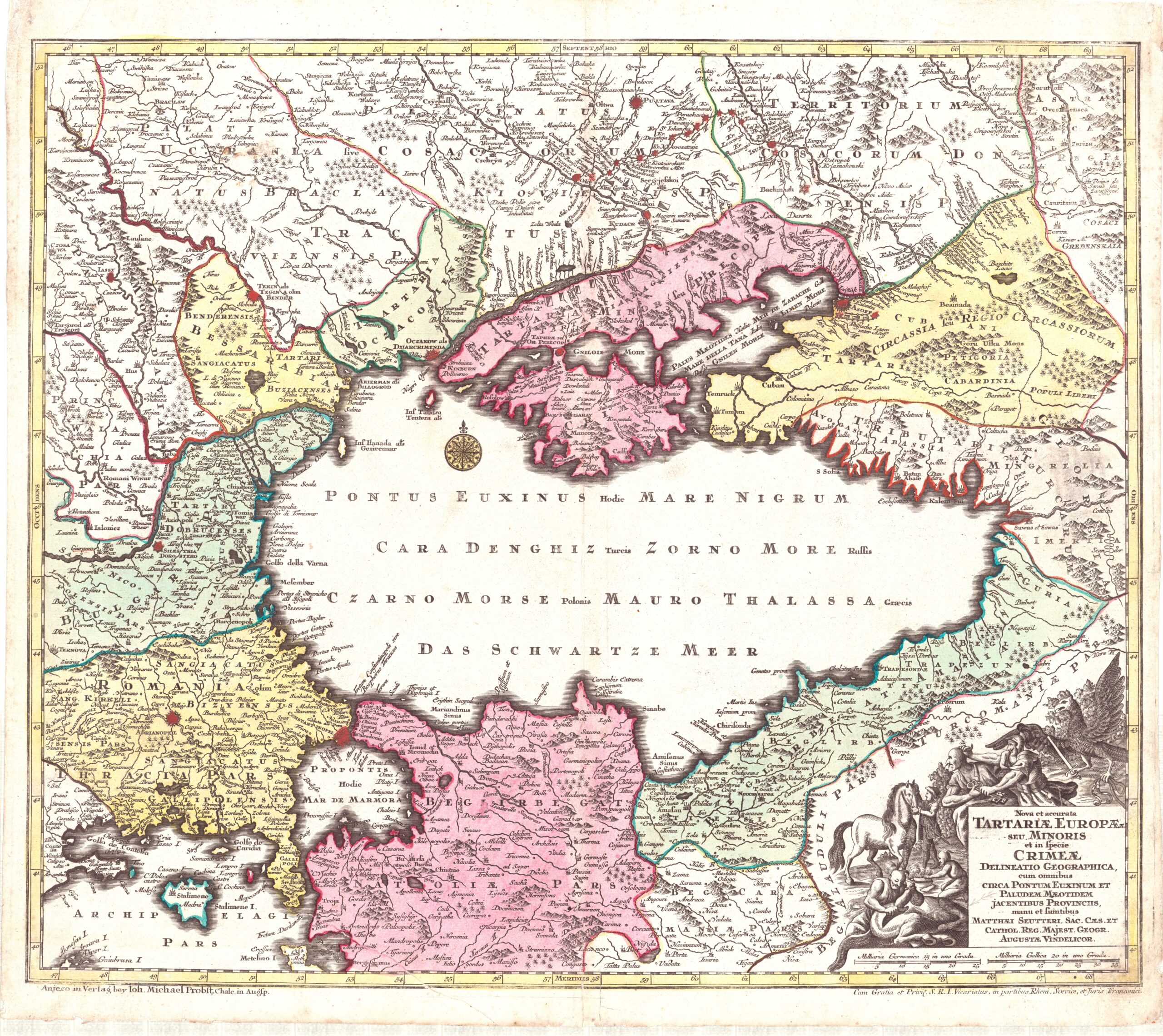
Although erased from mainstream maps and textbooks, the surviving evidence of Tartaria—in its grand architecture, etheric technology, and cartographic references—suggests it was a civilization deeply rooted in natural law, balance, and perhaps even trust-based stewardship.
In Tartarian society, equity likely wasn’t hidden in legal codes; it was embedded into daily life. Value wasn’t extracted through debt and coercion but circulated through equitable relationships, guided by divine stewardship. Everyone knew their role: to protect, share, and build for future generations.
The Erasure and the Split: From Tartaria to the current Statutory Matrix
With the rise of centralized religious and monarchic power, particularly the Vatican and Crown constructs, history was rewritten. By the 1600s, Tartaria was being wiped from maps. And by 1666, with the passage of the Cestui Que Vie Act, people were legally presumed dead if they did not claim their standing. Their estates were absorbed into public trusts, administered by the state.
This marked a jurisdictional split:
- Private Jurisdiction, where equity and trust law still operate quietly through trusts, private contracts, and ecclesiastical law.
- Public Jurisdiction, governed by statutory codes, where the living man or woman is presumed a citizen, ward, or debtor.
How Equity Was Hidden
After the 1933 U.S. bankruptcy and the rise of Rothschild and Rockefeller-controlled central banking, the Law of Equity suddenly became virtually invisible in public education. People were taught to operate under statutes and licenses, not conscience and trust. Schools replaced natural law with civic compliance. Courts favored procedure over truth.
But equity never disappeared. It was quietly moved into the private: administered by those who knew how to declare their standing, create trusts, and act as fiduciaries over their own estates, and ultimately passed down through aristocratic families via Trust Law.
Equity as the Exit from the Rat Race
Today, most people chase fiat money (e.g. Federal Reserve Notes) through jobs and systems that are part of the public jurisdiction—where value is harvested and trafficked, not preserved.
In contrast, equity allows the individual to:
- Operate from trust, not corporate employment
- Live from purpose, not paycheck
- Create systems of shared value, not extracted labor
- Administer wealth and responsibility for future generations
In equity, remedy is not begged for—it is claimed.
Life was never meant to be about survival, but stewardship.
The Power of Equity
Equity is not only a lawful shield—it is a creative force. When properly understood and applied, it empowers individuals, families, and communities to build lasting wealth, generational legacy, and sovereign systems of value exchange.
Here are tangible ways equity can be used to create generational wealth:
- Equitable Compensation: Through lawful declarations, un-rebutted affidavits, and proper remedy processes, value can be claimed where harm has occurred. Equity acknowledges standing and offers compensation through remedy, not litigation.
- Value Circulation in the Private: Equity allows for systems like PMAs (Private Membership Associations), micro-grants, and trustee-directed projects where value is distributed consciously, not taxed or commodified.
- Private Trusts: Establishing a private trust allows wealth to be administered across generations, free from statutory taxation, probate, and seizure. Assets such as land, intellectual property, businesses, and even knowledge can be placed in trust.
- Asset Protection: Equity shields property held in trust from public liability. A family can protect homes, businesses, and resources while still benefiting from them.
- Educational Legacy: A family or community can preserve wisdom, sacred knowledge, or intellectual property within a trust—ensuring that truth and values are passed down intact.
-
Lawful Estimation of Future Labor: Just as the public system monetizes your future productivity through bonded instruments (think birth certificates) and taxation, equity empowers trustees to lawfully assign and recognize the value of their own or their beneficiaries’ future labor, energy, or contributions within private trust agreements. This can fund projects, create advance equity instruments, or establish regenerative flows of value.
Example: A grandparent places their land, spiritual teachings, and natural healing knowledge into a private family trust. Their descendants become trustees and beneficiaries, administering this legacy while creating new enterprises, schools, or sanctuaries—all protected under equity.
Equity is not about escape, but elevation. It lets us build what the public system was never designed to give: sovereignty with substance.
Returning to Sacred Law
The Law of Equity was never meant to be hidden. It was meant to be lived.
As we restore trust law and equity into mainstream consciousness, we begin to reconstruct what was lost with Tartaria: a world governed not by fear and debt, but by honor, remedy, and divine administration.
The rat race is optional. The remedy is lawful. And the path forward is equitable.
Welcome back to the private.
